- Tu carrito está vacío.
- Continuar comprando

The Richness of African Contemporary Art
-
 By
Barni
By
Barni - Posted on
- 0 comments
- Sin categoría
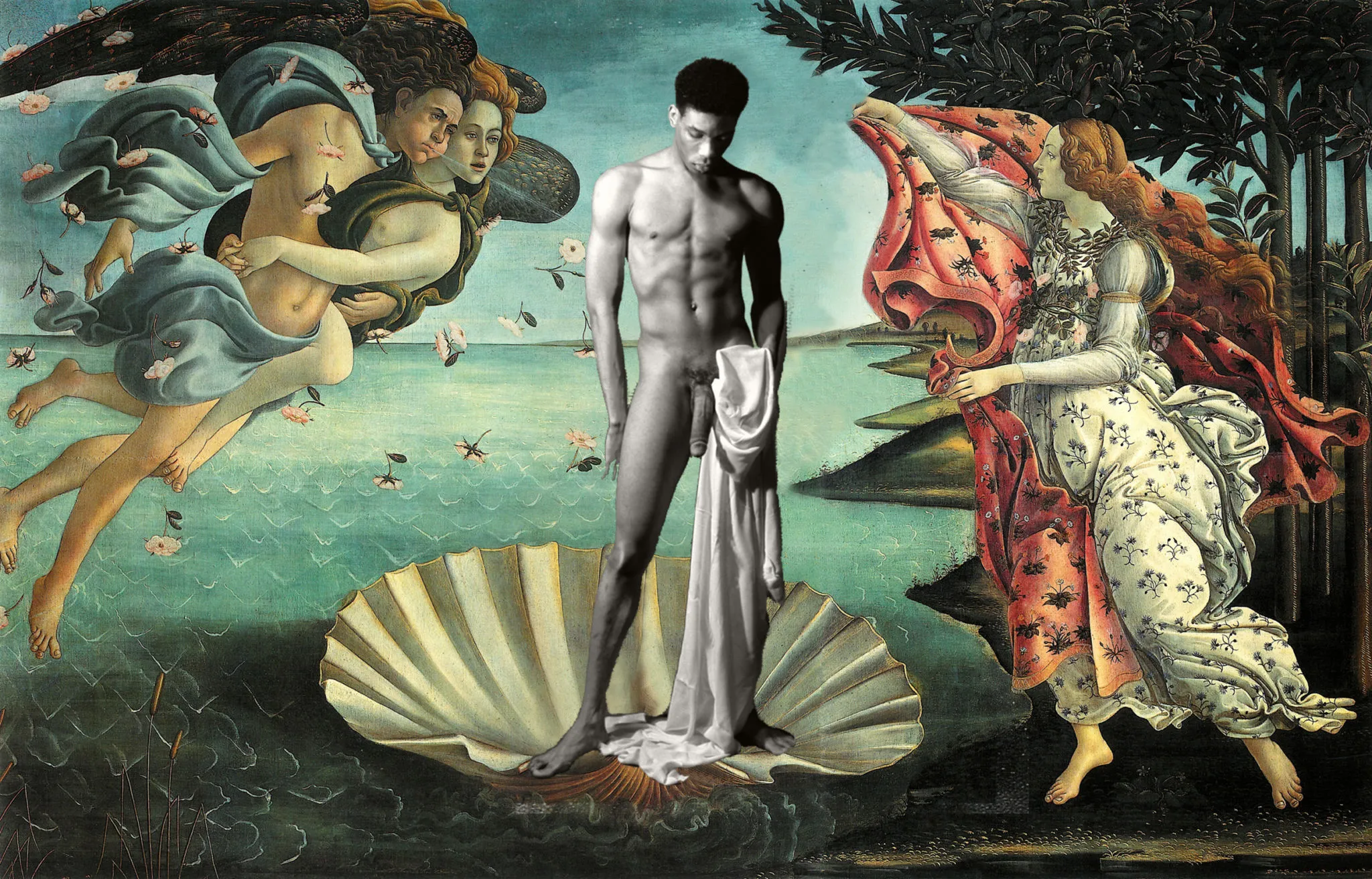
How is African Contemporary Art Redefining the Global Art Scene?
African contemporary art is redefining the global artistic landscape. Although historically relegated to the shadows of Western art, today it is attracting global attention for its rich cultural diversity, relevant themes, and innovative use of materials. In this article, we explore its origins, the influence of African art on Western artists, the most prominent countries, and the most influential contemporary artists.
What is African contemporary art?
African contemporary art refers to artistic practices developed in Africa from the second half of the 20th century to the present. It encompasses a wide range of expressions and media that reflect the social, political, and ecological changes African societies are experiencing. This art not only represents African identity but also addresses universal themes such as globalization, postcolonial identity, and environmental sustainability.
For a more detailed view of how emerging artists gain visibility in a competitive market, you can explore our article on how emerging artists can gain visibility in a saturated art world.
Evolution of African Contemporary Art
The evolution of African contemporary art began to be particularly noticeable after the independence of numerous African countries in the 1950s and 1960s. Artists began creating works that reflected their own experiences and worldviews, fusing traditional techniques and styles with modern influences. This approach allowed for the emergence of a unique and varied aesthetic, representative of both African cultural diversity and its adaptation to a global context.
Over time, African contemporary art began to gain international visibility thanks to events such as the Venice Biennale, the Dakar Biennale in Senegal, and Art X Lagos in Nigeria, which have allowed African artists to present their works on global stages. To learn more about the impact of these platforms on African artists, you can check out this article from Smithsonian Magazine.
Western Artists Inspired by African Art
Traditional African art has had a significant influence on several of the greatest artistic movements in the West. Some of the most notable Western artists inspired by African art include:
- “Pablo Picasso”: He was one of the first to explore the stylized forms and expressions of African masks, incorporating them into his cubist style works. For more details on how Picasso was inspired by African art, check out the analysis on The Art Story.
- “Henri Matisse”: Attracted by the simplicity and symbolic power of African forms, Matisse used these influences to experiment with abstraction and color.
- “Amedeo Modigliani”: Modigliani’s sculptures and portraits feature elongated and stylized figures reminiscent of the influence of African masks and sculptures.
The fascination of these artists with African art not only elevated their own work but also helped to value African artistic traditions internationally.
Countries that Stand Out in African Contemporary Art
African contemporary art is diverse and encompasses the entire continent, but some countries stand out particularly for their contributions and for developing vibrant art scenes:
- “South Africa”: With a prolific gallery and museum scene, South Africa is known for its art that explores themes of social justice, racial identity, and historical memory.
- “Nigeria”: Lagos hosts Art X Lagos, a contemporary art fair that showcases works by local artists and the African diaspora, promoting Nigerian art internationally. You can learn more about this event at Art X Lagos.
- “Senegal”: Dakar, the capital of Senegal, hosts the African Contemporary Art Biennial, which promotes African artists in the global context.
- “Kenya”: Art in Kenya stands out for its emphasis on social and ecological themes, using alternative media and materials.
Contemporary African Artists and Their Styles
Below are some of the most influential contemporary painters from Africa and their distinctive styles:
- “El Anatsui (Ghana)”: Known for his bottle cap sculptures, his works are a commentary on consumption and sustainability.
- “Wangechi Mutu (Kenya)”: Her surrealist collages explore themes of identity, the female body, and the relationship with nature.
- “Yinka Shonibare (Nigeria)”: He mixes African fabrics with Western techniques, creating works that question colonialism and globalization.
- “Sisay (Angola)”: This painter uses recycled materials, especially cardboard, in his compositions, giving them an ecological and contemporary message. His style is characterized by the fusion of abstraction and figures, exploring themes of sustainability and African modernity.
- “Ala Younis (Egypt)”: With a conceptual approach, her works investigate the history and collective memory of the Arab and African world.
The Future of Contemporary African Art
The future of contemporary African art looks promising. With the proliferation of online art galleries, the emergence of art fairs on the continent, and support from digital platforms, African artists are gaining more opportunities for exposure and recognition. Technology and digital access allow these artists to showcase their work beyond borders, without relying exclusively on Western galleries.
Moreover, contemporary African art continues to expand in terms of style and message. It is increasingly common to find digital artworks, installations, and interactive pieces that reflect a fusion between traditional and modern. As a trend, the exploration of ecological themes and postcolonial identity will continue to be relevant in African art, and the use of sustainable materials, such as those employed by Sisay, will gain ground in the coming decades.
For a deeper exploration of new trends in contemporary African art, we recommend visiting the Art Africa Magazine website, a reference publication in the African art scene.


This article explores its evolution, leading countries, influential artists, and the promising future of art in Africa.

Conclusion
Contemporary African art is a vibrant and dynamic reflection of Africa’s reality. From its roots in tradition to its integration into the global context, contemporary African art not only represents a cultural manifestation but also a form of resistance and affirmation of identity in a constantly changing world. The influence that African art has had on Western art and its growing international recognition herald a bright future full of opportunities.
Art Comes to Life when You Share your Ideas: Join Us and Make it a Reality!