- Tu carrito está vacío.
- Continuar comprando
What are Artist Residencies?
-
 By
Barni
By
Barni - Posted on
- 0 comments
- Sin categoría
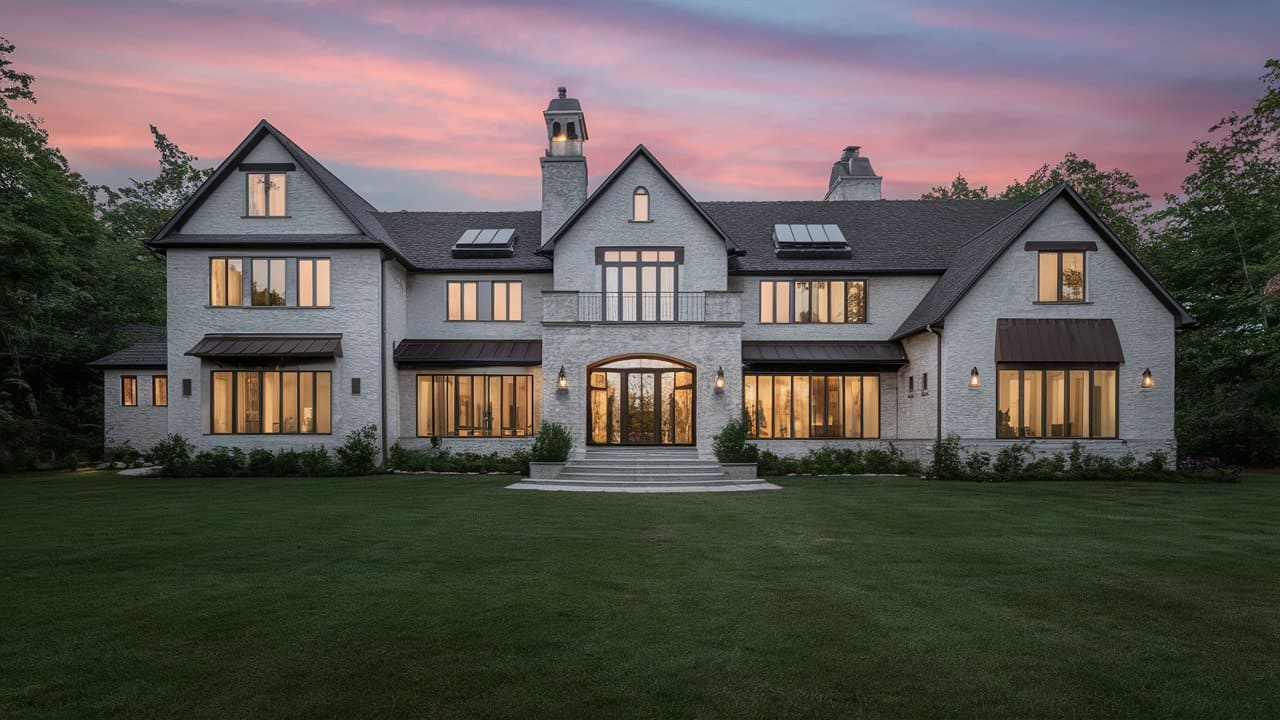
Discover how Artist Residencies Foster Creative Growth, Offer Opportunities, and Open Doors to New Experiences
Introduction to Artist Residencies
Artist residencies represent a fundamental resource for artists of all disciplines, offering not only a space for creation but also the opportunity to immerse themselves in an environment of exchange and reflection. In this article, we will explore what artist residencies are, who organizes them, the types of residencies available, and how to choose the right one. We will also analyze the benefits, costs, and testimonials from artists who have leveraged these experiences to boost their careers.
What is an Artist Residency and What is it For?
An artist residency is a program that provides artists with space and resources to develop their work for a specified period. These programs offer everything from work studios to accommodation and, in some cases, meals and financial support. Residencies can last from a few weeks to several months or even years. The main objective is to allow artists to fully concentrate on their creative process, without the distractions of everyday life.
In addition, artist residencies not only offer a workspace but can also include training activities, connections with other artists, and access to curators and critics, thus fostering professional growth. Some residencies require the artist to live on-site (or in nearby facilities), while others allow local artists to use the workspace only during the day and return home to sleep.
Who Organizes Artist Residencies?
There are multiple entities that organize artist residencies:
- Museums and cultural centers: Examples such as the Joan Miró Foundation in Barcelona offer residencies that include access to specialized facilities.
- Universities and art academies: Many educational institutions, such as the Rijksakademie in Amsterdam, support emerging artists with programs that combine research and production.
- Private foundations and non-profit organizations: These entities can sponsor residencies with full or partial funding.
- Companies and independent projects: Some private art spaces provide residencies with a community and experimental focus.
The Most Valued Artist Residencies in the World and in Spain
Among the most prestigious artist residencies worldwide are:
- Rijksakademie van beeldende kunsten in Amsterdam, focused on artistic research.
- Banff Centre for Arts and Creativity in Canada, renowned for its natural and multidisciplinary environment.
- The MacDowell Colony in the USA, one of the oldest residencies, famous for hosting Leonard Bernstein and other great creators.
- Casa Wabi Foundation in Mexico, oriented towards collaborative projects with local communities.
In Spain, notable ones include:
- Hangar, in Barcelona, which focuses on artistic experimentation.
- Matadero, in Madrid, which supports artists from various disciplines in an urban and dynamic environment.
Definition and Objectives
Artist residencies are developmental spaces where artists can explore, research, and create without usual interruptions. The goal is to provide an environment in which the artist has the freedom to experiment and grow in their practice, as well as foster connections and collaborations in the artistic field.
Types of Artist Residencies
There are different types of artist residencies, adapted to the needs of each artist:
- Production residencies: Offer the necessary resources to complete a specific work or project.
- Research residencies: Focus their efforts on conceptual development without the pressure of a tangible production.
- Community Residencies: Focused on projects that involve the local community, promoting art as a social tool.
- Virtual Residencies: Programs that allow interaction and collaborative work through digital platforms.
Benefits of Participating in an Artist Residency
Artist residencies offer multiple benefits:
- Professional Development: Opportunity to refine techniques and explore new ideas.
- Networking: Direct contact with other artists and relevant figures in the art world.
- Visibility: Some residencies organize exhibitions that provide visibility to the work produced.
- Time and Space: The opportunity to work without the interruptions of daily life.
Selection Process and Application Requirements
The selection process for an artist residency is competitive. Typically, a project proposal, portfolio, and sometimes letters of recommendation are required. Each residency has specific requirements, and selection depends on the program’s focus and the institution’s objectives.
Funding and Costs for Participating in Artist Residencies
Funded vs. Non-Funded Residencies
Some artist residencies offer full funding, covering costs such as accommodation, meals, and in some cases, transportation. This means the artist can focus exclusively on their work without worrying about additional expenses. In other cases, residencies only offer workspace, and the artist must cover their accommodation and living expenses.
Grants
Many artists apply for grants for artist residencies, which cover basic expenses or even provide an additional stipend. These grants are often available through cultural foundations, local governments, or private institutions.
Hidden Costs
It’s important to consider additional costs that may arise, such as materials, local transportation, health insurance, and unforeseen expenses related to adapting to the residency environment.
Does the Artist Live in the Residency or Just Work There During the Day?
This aspect depends on the type of artist residency. In some, artists are housed in the same space where they work, either in shared studios or individual rooms. These residencies offer a total immersion experience, allowing the artist to focus completely on their creative process. In other cases, the residency may be available only during the day, allowing local artists to work and then return to their homes.
Are There Residencies Where the Artist is Confined?
Yes, there are more restrictive residencies that require the artist to remain on-site throughout the program, sometimes to foster an environment of immersion and concentration. However, these experiences are less common and are usually oriented towards specific projects that require an intensive focus.
How to Choose the Right Residency
To choose the right artist residency, the artist should evaluate:
- Compatibility with their goals: Ensure that the residency aligns with their artistic vision and style.
- Location: The environment, whether rural or urban, can impact the experience.
- Duration: Adapt to the available time according to the demands of their project and personal life.
Experiences of Artists Who Have Participated in Residencies
Many prominent figures have boosted their careers after participating in artist residencies. Artists such as Yayoi Kusama and Marina Abramović found inspiration and recognition through these programs. The stories of emerging artists who managed to advance in their careers also illustrate the impact of these experiences.
Notable Results of Participating in Artist Residencies
Over the years, various artist residencies have given rise to iconic works and innovative collaborations. At the Banff Centre, projects combining art and technology have been produced, while the MacDowell Colony has hosted renowned composers and writers.


There are all kinds of artist residencies. Some offer full accommodation while others don’t provide lodging, some are funded and others are not. Look for the one that best suits your circumstances.

Reflection on the Impact of Residencies
Artist residencies are powerful tools for the professional and personal growth of artists. They not only facilitate creation in a controlled environment, but also encourage artists to explore and delve deeper into their work. The experience, cultural exchange, and opportunities they provide make these residencies a valuable investment in artistic development and the future of creativity.
Art Comes to Life when You Share your Ideas: Join Us and Make it a Reality!