- Tu carrito está vacío.
- Continuar comprando
Artists of the past and Present: with and without Technology
-
 By
Barni
By
Barni - Posted on
- 0 comments
- Sin categoría
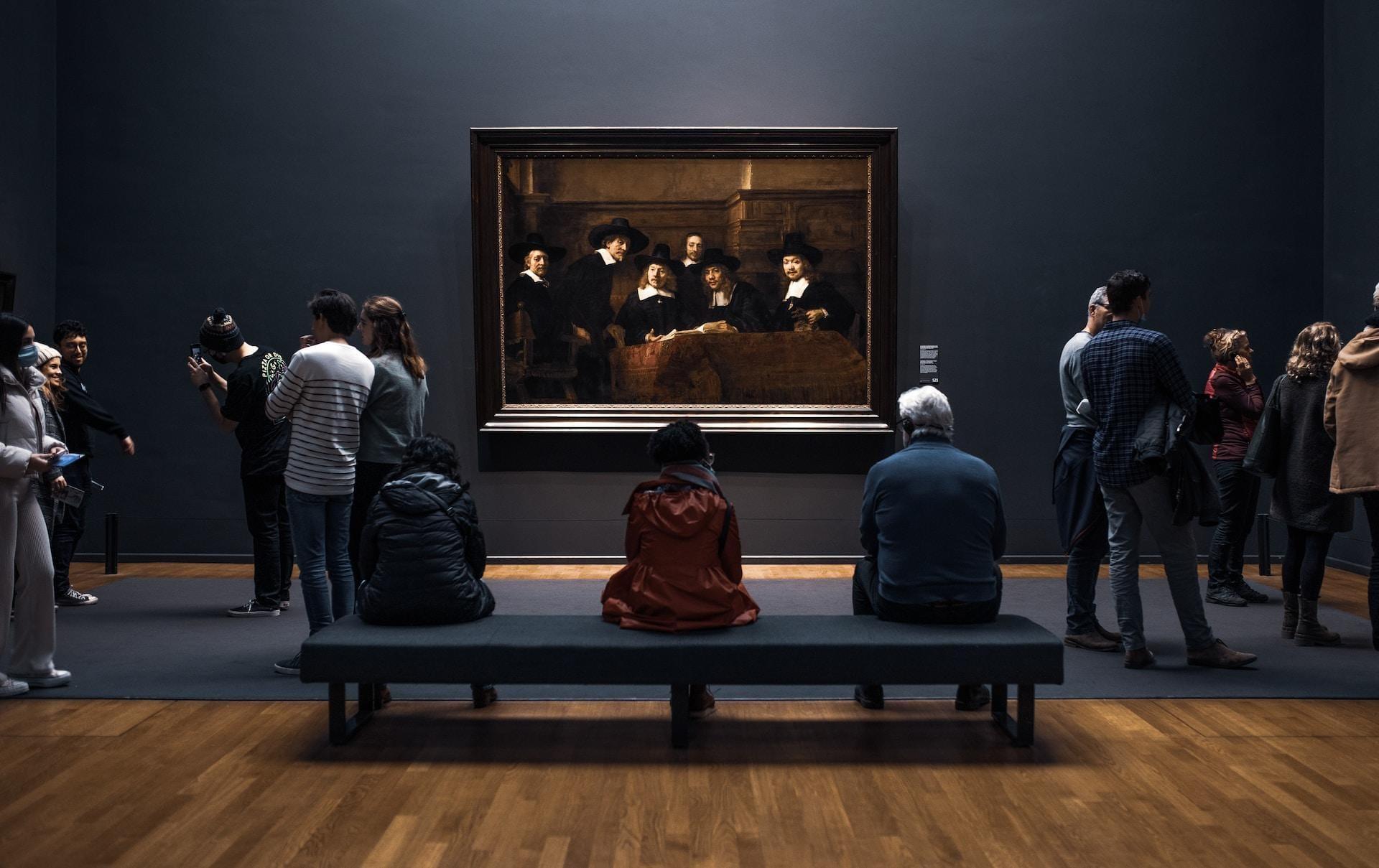
How would artists of the past fare in a world with modern technology? And how would contemporary artists face the challenges of a past without social networks? This imaginative exercise explores how tools and contexts influence creativity and the dissemination of art, demonstrating that artistic ingenuity transcends the barriers of time and tools.
Artists of the past with Modern Technology
If the geniuses of the past had access to digital platforms and technology, their impact on art would be even more revolutionary.
1. Leonardo Da Vinci: the Universal Influencer
- On YouTube, he would share anatomy tutorials, flying machine experiments, and analyses of his works. His ability to educate millions would make him a global star.
2. Vincent Van Gogh: the Authentic Soul of Instagram
- He would post self-portraits and emotional reflections, creating a supportive community that would fill his life with likes and collaborations.
3. Pablo Picasso: Interactive Innovation
- His website would include immersive galleries and augmented reality tours of his cubist works, generating income with exclusive content.
4. Claude Monet: Master of Natural Marketing
- With a blog and 360° videos of his garden in Giverny, Monet would inspire millions with his impressionist technique, while also offering “MasterClasses”.
5. Jackson Pollock: TikTok Phenomenon
- His dripping technique would go viral, with quick videos synchronized to electronic music that would attract young creatives.
These artists of the past would leverage modern tools to connect with global audiences, revolutionizing artistic dissemination.
Contemporary Artists in a Medieval World
Now let’s imagine current artists facing a past without technology. How would they stand out without social networks or digital platforms?
1. Banksy: the Clandestine Graffiti Artist
- His messages would appear in cathedrals and medieval markets, generating rumors about his identity and captivating both commoners and nobles.
2. Yayoi Kusama: Visual Installations in Palaces
- Her polka dot patterns and mirrors would decorate nobility’s halls, fascinating the elite with her unique perspective.
3. Ai Weiwei: the Revolutionary Activist
- He would distribute political manifestos through underground printing presses, generating social movements in a world of absolute control.
4. Kehinde Wiley: the Nobility’s Portraitist
- He would paint nobles with cultural symbols, standing out as an innovative and in-demand portraitist in royal courts.
5. Marina Abramović: Performances in Cultural Salons
- She would explore human connection in face-to-face encounters, leaving a lasting mark on her medieval audience.
Even without technology, contemporary artists would use their ingenuity to thrive in a medieval world.
Timeless Creativity: Artists of the past and Present
This analysis shows how creativity transcends available tools. Artists of the past, with modern technology, would exploit digital platforms to reach new heights. Meanwhile, contemporary artists would use their ingenuity and skills to adapt to a world without technology, finding ways to thrive.


We explore how artists of the past would use modern technology to revolutionize art and how contemporaries would triumph in a medieval world. Creativity is timeless and adaptable.

Conclusion
In any era, artists have the ability to adapt and transform limitations into opportunities. Whether they are artists of the past in the modern era or current creators in a historical context, art is a force that evolves over time, leaving a lasting impact on the world.
Art Comes to Life when You Share your Ideas: Join Us and Make it a Reality!