- Tu carrito está vacío.
- Continuar comprando

Money Laundering in Art: the Dark Side of the Market
-
 By
Barni
By
Barni - Posted on
- 0 comments
- Sin categoría
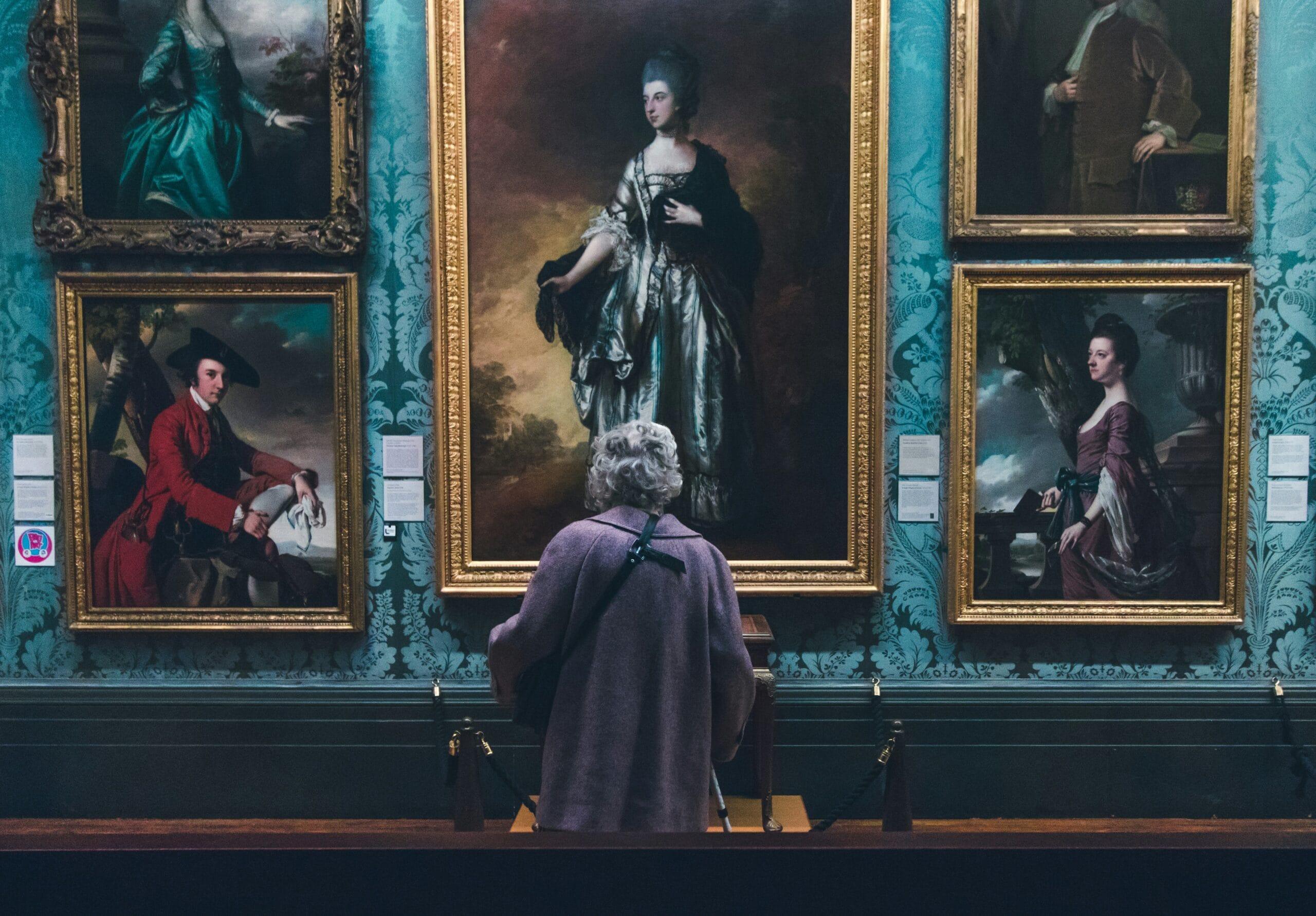
Art has been one of humanity’s most sublime expressions, but behind its colors and forms, the art market can be fertile ground for illicit activities. One of the most opaque and least regulated problems is money laundering in art, a sophisticated method that combines financial creativity with a lack of transparency. This article explores how this phenomenon works, its implications, and possible solutions to combat it.
The Art Market: the Perfect Haven for Money Laundering in Art
The art market is known for its subjectivity. Works don’t have a standard value, and prices can fluctuate enormously depending on the artist’s reputation, market trends, and private agreements. This context allows money laundering in art to flourish, as transactions are difficult to trace and authorities often lack specialized knowledge to investigate them.
How Money Laundering in Art Works
The process of money laundering in art includes various stages involving both buyers and sellers. Below, we break down the most common steps:
- Creation of inflated artworks:
People with illicit money buy works from emerging or unknown artists, artificially elevating their prices. This method legitimizes money by converting it into an “artistic investment”. - Private auctions:
Launderers use private auctions to sell acquired works, inflating their value through fictitious bidders. These transactions allow them to justify the origin of the money as legitimate profits. - International export:
Art is ideal for moving money across borders without raising suspicions. A painting declared with a modest value can cross borders and be resold in foreign markets at much higher prices, legitimizing the capital.
Examples of Money Laundering in Art
Money laundering in art is not a theoretical issue; there are documented cases that reveal how this system operates in practice. On one occasion, a painting was acquired for 1 million euros at an auction, but after being sold in Asia, it was reported with a value of 5 million. This operation not only “laundered” the money but also allowed it to be reinvested in legal markets.
Another example is the use of fictitious galleries. These galleries are opened with the sole purpose of selling works at inflated prices, closing shortly after to avoid investigations.
Why Art is so Vulnerable to Money Laundering
Money laundering in art takes advantage of several vulnerabilities inherent to the art market:
- Price subjectivity:
An artwork can be worth as much as someone is willing to pay for it, making it difficult to establish objective standards. - Lack of regulation:
In many countries, art transactions are not subject to the same transparency standards as other markets. - Anonymity in transactions:
Private auctions and international sales allow buyers and sellers to maintain anonymity, ideal for those looking to launder money.
The Impact of Money Laundering in Art
Money laundering in art has negative consequences for the legitimate market and culture in general:
- Artificial price inflation:
The inflated value of works harms genuine artists and real buyers. - Distrust in the market:
This phenomenon undermines the credibility of the art sector, driving away honest collectors. - Encouraging criminal activities:
It allows money from illegal activities, such as drug trafficking or corruption, to infiltrate the legal economy.
How to Prevent Money Laundering in Art
To combat money laundering in art, it is necessary to implement measures that increase transparency in transactions:
- Registration of buyers and sellers:
Require that all transactions be recorded, including the identity of the parties involved. - Audits of galleries and auction houses:
Periodic inspections could identify suspicious patterns of buying and selling. - Education for authorities:
Train public and private officials to identify money laundering operations in the art sector. - International regulations:
Establish global agreements to regulate the purchase, sale, and export of artworks.
Final Reflection on Money Laundering in Art
Money laundering in art is not only a financial problem but also an attack on the integrity of art as a cultural expression. Although this phenomenon takes advantage of market weaknesses, with the right measures, it is possible to close the doors to illicit money and preserve the true value of art.
Ultimately, art should be a symbol of creativity and humanity, not a tool for illegal activities. To achieve this, both authorities and art market actors must commit to creating a more transparent and ethical environment.


Art can be used to launder money by creating fictitious artists, inflating prices, and legitimizing capital through international transactions.

Summary
The art market, with its subjectivity and lack of regulation, allows money laundering through fictitious artists, galleries, and inflated transactions. Through auctions, exports, and collaborations, it is possible to legitimize illicit capital, reinvest it in real estate, and ensure its legality.